
Employees are typically spending less time exercising and more time at their desk and experiencing stress. This can have a detrimental impact on the employee as well as their employer.
Worksite wellness programs have the potential to significantly impact an organization’s profitability in terms of savings such as; healthcare costs, worker compensation claims and reduced absenteeism. Wellness programs can also help increase employee engagement and positively impact; productivity, innovation, creativity and customer satisfaction. They are also a great ways to attract and retain employee talent.
Effective internal communication driving high employee participation in a wellness program, is critical if the program is to achieve its desired outcomes. Unfortunately, in today’s environment of information overload, cutting through the noise of other competing messages and work priorities can be a real challenge.
Here are some ideas for innovative and effective worksite wellness communication:
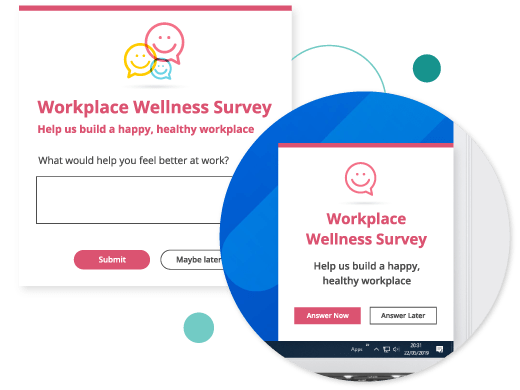
When developing a worksite wellness program, survey employees to assess their interest, intent and to understand the wellness incentives they value. This will allow you to focus on the wellness initiatives of greatest interest and with the biggest potential impact.
Once the wellness program has been developed, pre-test the various aspects of the program and the related communications, then adapt the program in order to ensure success.
Consider using a survey tool that is delivered onto targeted employee desktops with recurrence and escalation options built in. This increases employee participation rates and allows you to collect representative data from across the employee population with less risk of skew due to ‘self-select’ bias.
To ensure relevance and avoid information overload, target wellness communications to the relevant employee demographics and interest groups. One size will not fit all and prior your research will help you to tailor the program for locality, demographics and specific health issues.
Delegate area champions who can target employees within a specific interest group with relevant communications and updates.
Wellness Communication on Screensavers
Brand wellness communications with a unique name and visual icon(s) to build recognition and engagement.
Think about when worksite wellness programs will have the most effective cut through. When will it get the most attention? Perhaps early in the new year when people have good intentions? Or in spring when people tend to come out of hibernation.
The time of day / week / month for wellness communications should also be considered. When are employees likely to be most receptive? For example, Monday morning versus Friday night? Wherever possible, schedule wellness communications to be delivered at optimum times for maximum readership. Include regular prompts and reminders to maintain momentum and coordinate with other related events both internally and externally, for example, national no smoking day.
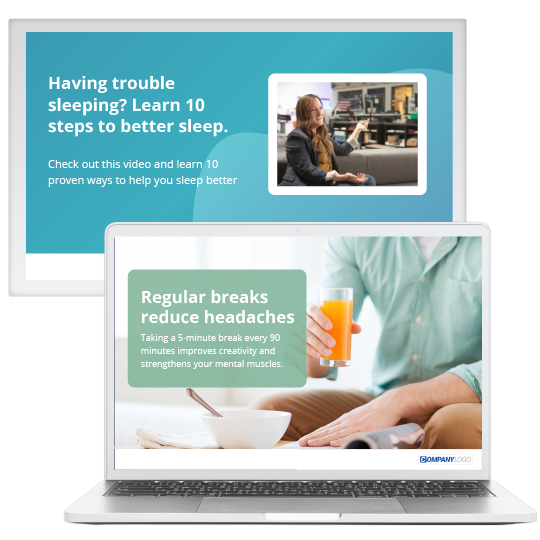
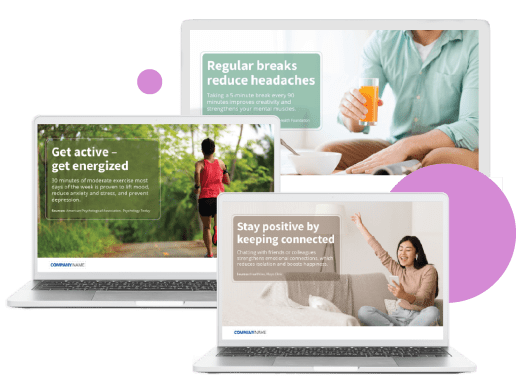
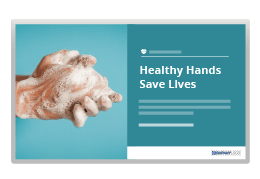
Digital signage on screensavers can provide a great way to raise the profile of the worksite wellness program and its related initiatives. Screensaver messages are particularly powerful in open plan office environments as they are act as digital billboards throughout the organization.
Wellness screensaver messaging can be used to:
Wellness Screensaver
Screensaver targeting features mean that special interest groups and/or specified locations can receive content relevant only to those employees.
Internal social media are a great way to provide support for a worksite wellness program. For example:
Launching a worksite wellness initiative or program is one thing. Sustaining ongoing participation and creating a long term culture of wellness is another. Effective worksite wellness communication requires frequent contact through multiple communications channels. Communicators need to think beyond the launch and provide a series of ongoing reminders and tips.
Behavior change requires consistent effort and focus over a period of time. Consider using tools such as desktop scrolling news feeds to deliver daily tips, reminders and inspiration for special interest groups.
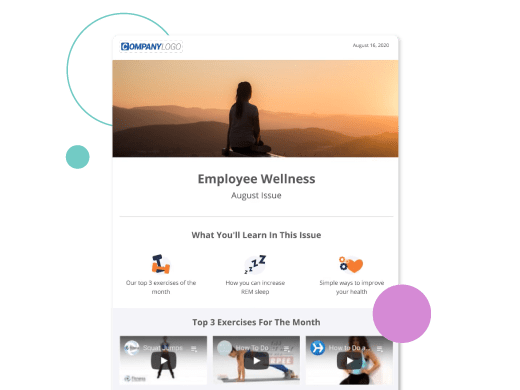
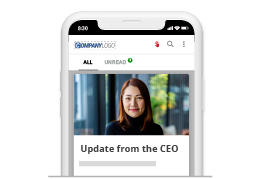
A user-generated internal newsletter tool makes it easy to create a wellness newsletter with limited resource. Employees can contribute their own news and articles such as:
Wellness Newsletter Examples
In addition any area of the business (including wellness partners if you grant them access rights) can contribute features such as:
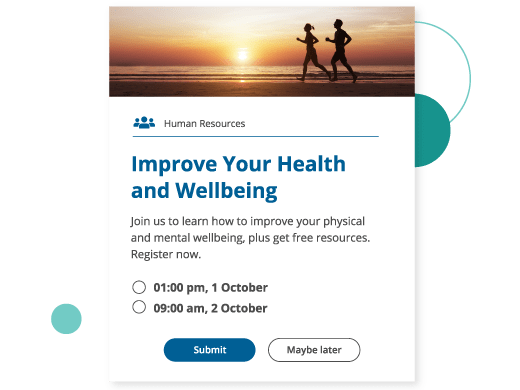
RSVP Desktop Wellness Invite
Provide flexible options and booking systems for wellness events and resources such as; health fairs, health screening, vaccination clinics, weight loss classes, on site massages, stress counseling workshops, fitness classes and so on. Flexible options can maximize the number of employees who can take advantage of these resources.
Use a customized desktop invite tool that provides employees options for multiple time slots and venues. Targeting features will allow you to target high priority staff / special interest groups first and then open up the remaining slots for other employees.
Wellness programs need to be outcome oriented and employee participation is a very important early measure.
The actual gains from a worksite wellness program may be realized over the long term rather than the short term. However this is not a reason to delay early measurement, you can track behavior data as an early indicator. For example; the increase in company gym memberships, changes in food choices in the cafeteria, walking and pedometer results, number of vaccinations and so on.
In addition you can: